
The Rise of Remote Control Drones: How UAVs Are Reshaping Our World
The sky is no longer the limit. Over the past decade, we have witnessed the incredible rise of remote control drones, transforming them from niche hobbyist gadgets into powerful tools that are revolutionising industries, creativity, and even our daily lives. Also known as Unmanned Aerial Vehicles (UAVs), these agile flying machines are becoming increasingly accessible, capable, and indispensable.
This comprehensive guide explores the journey of the remote control drone, the key factors behind its explosive growth, and what the future holds for this dynamic technology.
What Exactly is a Remote Control Drone?
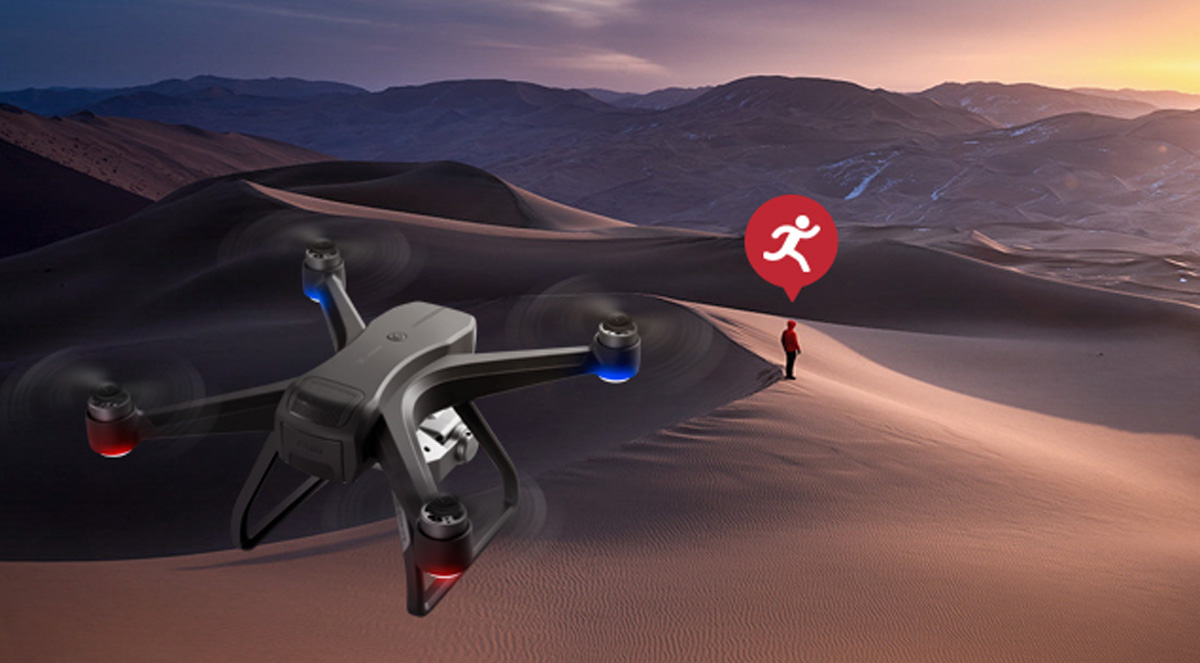
A remote control drone is an unmanned aircraft piloted from the ground using a dedicated transmitter or even a smartphone app. Modern drones are equipped with advanced features like GPS stabilisation, high-resolution cameras, and obstacle avoidance systems, making them easier and safer to fly than ever before.
Key Drivers Behind the Drone Boom
The rapid ascent of drone technology wasn’t accidental. Several key factors fueled this revolution:
-
Technological Advancements: Breakthroughs in battery life (thanks to Li-Po batteries), miniaturisation of sensors, and powerful yet affordable flight controllers have made drones more reliable and capable.
-
Affordability and Accessibility: As manufacturing scaled, prices dropped significantly. High-quality beginner drones are now accessible to a wide audience, democratising aerial technology.
-
The “Camera in the Sky” Phenomenon: The integration of high-quality, lightweight cameras and gimbals was a game-changer. Drones unlocked stunning aerial photography and videography perspectives that were once only possible with expensive helicopters.
-
Strong Consumer and Hobbyist Community: Online communities, social media sharing, and racing leagues have created a vibrant culture around drone flying, encouraging adoption and innovation.
Beyond the Hobby: The Transformative Impact of Drones Across Industries
The true significance of the drone revolution lies in its practical applications. Drones are no longer just for fun; they are powerful professional tools.
-
Aerial Photography & Filmmaking: From Hollywood blockbusters to real estate listings, drones provide breathtaking cinematic shots efficiently and at a lower cost.
-
Agriculture (Precision Farming): Farmers use drones for crop monitoring, field analysis, and even spraying pesticides, leading to increased yields and reduced waste.
-
Search and Rescue (SAR): Equipped with thermal cameras, drones can cover large areas quickly, locating missing persons in difficult terrain, often saving critical time and lives.
-
Infrastructure Inspection: Drones safely inspect bridges, wind turbines, power lines, and cell towers, reducing risks for human inspectors and cutting down inspection times.
-
Delivery and Logistics: Companies like Amazon and Wing are pioneering drone delivery services, promising faster shipping for small goods.
-
Public Safety & Surveillance: Law enforcement and fire departments use drones for situational awareness, disaster management, and mapping accident scenes.
Choosing Your First Remote Control Drone: A Quick Guide
Interested in joining the drone revolution? Here’s what to consider:
-
For Beginners: Start with an affordable, smaller drone with features like headless mode and auto-hover to make learning easier. Models from brands like DJI (Tello, Mini series) are perfect starters.
-
For Enthusiasts & Photographers: Look for drones with high-resolution 4K cameras, 3-axis gimbals for stable footage, and intelligent flight modes (e.g., Follow Me, Waypoints).
-
Key Features to Consider: Flight time, range, camera quality, GPS, and obstacle sensing are critical factors based on your intended use.
The Future is Autonomous: What’s Next for Drones?
The rise of remote control drones is just the beginning. The future points towards:
-
Increased Autonomy: Drones will rely less on manual control and more on AI to navigate complex environments independently.
-
Advanced AI Integration: AI will enable better object recognition, automated data analysis (e.g., for mapping), and more sophisticated behaviours.
-
Drone Swarming: The coordinated flight of multiple drones will open up new possibilities in light shows, agriculture, and defence.
-
Enhanced Regulations: As airspace gets busier, smarter regulations and technologies like Remote ID will be crucial for safety and security.
Conclusion: The Sky’s the Limit
The rise of the remote control drone is a testament to human ingenuity. These versatile machines have soared from obscurity to become essential tools that enhance productivity, safety, and creativity. As technology continues to evolve, the potential applications for UAVs are virtually limitless.
Drones/Quadcopter: https://pierrego.com/product-category/entertainment/kids-toys/drones/